Adlerian theory is grounded in the belief that all behavior is purposeful and reflects a child’s attempt to achieve belonging and significance within their family and social relationships. Early interactions with caregivers shape a child’s developing beliefs about themselves, others, and how they can best meet their relational needs. When children experience discouragement, they may adopt ineffective patterns of behavior designed to achieve connection, significance, or control.
Positive Discipline identifies four mistaken goals of behavior—undue attention, misguided power, revenge, and assumed inadequacy—each reflecting an underlying belief about belonging. By understanding the purpose behind behavior rather than simply reacting to it, clinicians can help parents shift from managing behaviors to addressing the child’s underlying needs with encouragement, connection, and accountability.
This workshop explores practical Adlerian strategies for conceptualizing child behavior and coaching parents toward more effective responses. Participants will learn to identify mistaken goals by examining behavioral patterns, family interactions, and the emotional responses child behaviors evoke in caregivers. Through case examples and experiential discussion, clinicians will apply the Three Rs and an H of Logical Consequences (Related, Respectful, Reasonable, and Helpful) to help parents replace ineffective discipline strategies with collaborative solutions that strengthen relationships, foster responsibility, and support healthy emotional development.
1. Analyze the four mistaken goals of child behavior within Adlerian theory and their underlying beliefs. 2. Differentiate between discouraging and empowering parent responses to child behavior. 3. Identify and differentiate between natural and logical consequences for child behaviors.
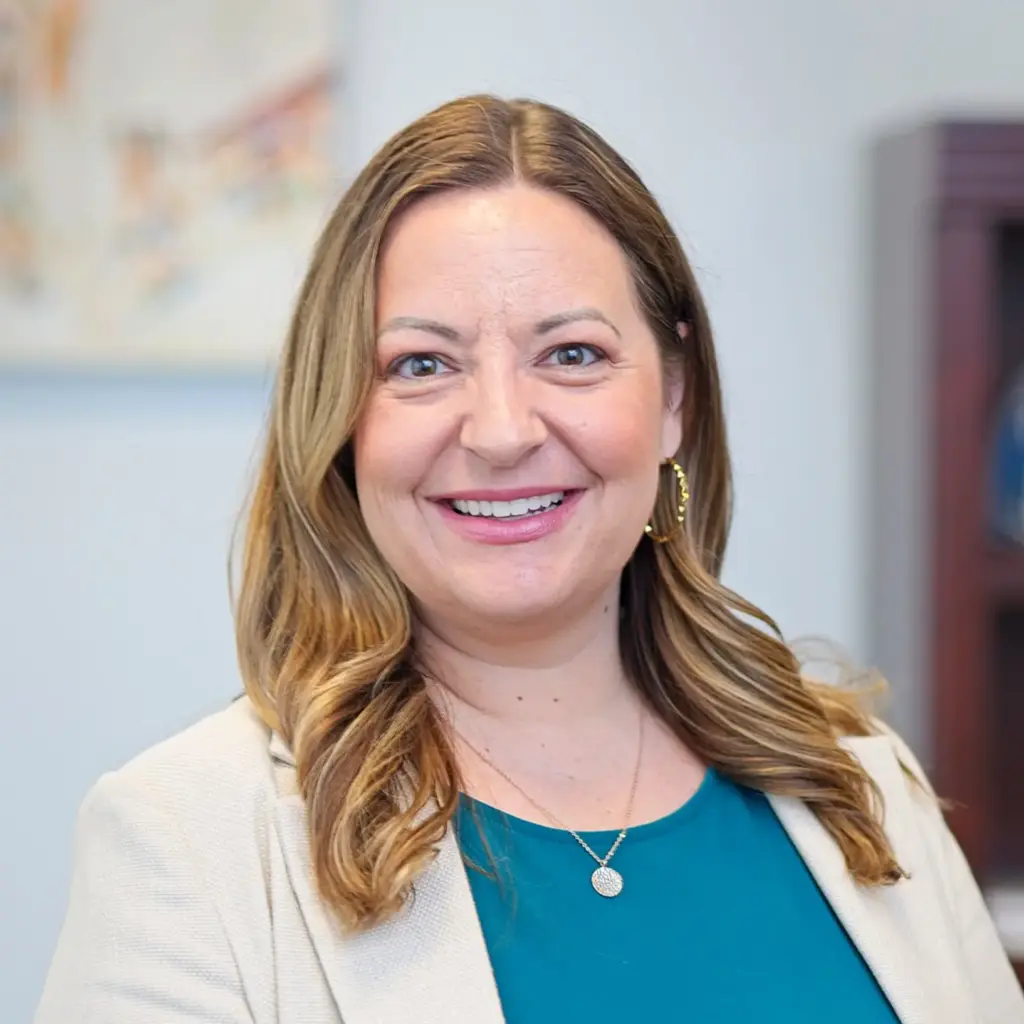
Courtney Guhl has more than a decade of experience serving children, adolescents, adults, and families across a variety of clinical settings. She is the founder and owner of Terra Therapies, PLLC, where she provides counseling services, supervises clinicians, and develops continuing education opportunities for mental health professionals.
CCFAM Training has been approved by NBCC as an Approved Continuing Education Provider, ACEP No. 7105. Programs that do not qualify for NBCC credit are clearly identified. CCFAM Training is solely responsible for all aspects of the programs.
Cancellation and Refund Policy
This training is non-refundable, unless cancelled by training provider. Event will be cancelled if fewer than 6 participants.
Privacy Policies
CCFAM Training’s Privacy Policy can be found here.
CCFAM Training uses Zoom for live streaming to participants who are not attending in-person. You can find the Zoom Privacy Policy here.
Courtney Guhl
M.S, LPC-S, RPT-S, EMdr - consultant
Nik has been a private practice counselor working in North Texas since 2017. He works with children aged (4+), adolescents, and adults, specializing in complex trauma, dissociative disorders, and play therapy. Previously Nik worked at an agency in Missouri providing play therapy to children in the foster care system. He offers continuing education to professionals especially within the topics of working with developmental trauma, dissociative disorders, and play therapy.