
Suicide Prevention, Postvention, and Clinical Considerations
Time
9:00 A.M. – 12:15 P.M. CST
CE
NBCC Hours: 3
ACEP NO. 7105
Cost
$100.00
(Non-refundable)
Description
This course introduces mental health professionals to tools useful in assessing, intervening, and providing postvention support in cases involving suicide risk or suicide loss. Drawing from evidence-based frameworks—including Joiner’s Interpersonal-Psychological Theory, Schneidman’s Cubic Model, and contemporary suicide-focused treatments like Collaborative Assessment and Management of Suicidality (CAMS)—participants will learn to identify and prioritize risk factors across health, environmental, and historical domains. The course integrates lived-experience material from a family who lost their daughter to suicide, offering a powerful lens into warning signs, hindsight bias, and the complexity of suicide grief. Participants will receive exposure to direct suicide inquiry methods, the 24–48-hour ladder-up assessment, lethal-means counseling, and crisis coordination using best-practice guidelines. Emphasis is placed on stigma-reducing language, relational and identity-based contributors to risk, and the clinician’s role in fostering hope and resilience. With this introduction to current methodologies, references, recommended readings, and trainings, participants will leave with new competencies to implement in a variety of clinical or community settings.
Learning Objectives
1. Differentiate between evidence-based suicide-focused treatments (Dialectical Behavior Therapy, Cognitive Behavioral Therapy for Suicide Prevention, Collaborative Assessment and Management of Suicidality) and general mental health interventions.
2. Analyze a brief clinical vignette to correctly classify the client’s suicide warning signs.
3. Demonstrate understanding of postvention and grief concepts.

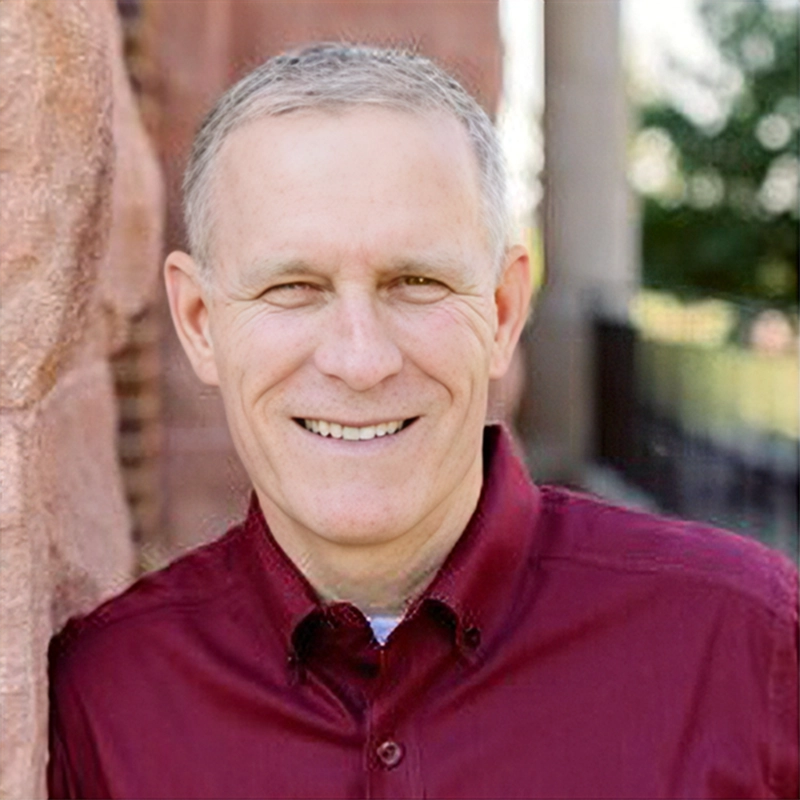
Gary Lee Maddux Jr.
LPC Associate
Supervised by marianne dumond
Gary Lee Maddux Jr. is a counselor and educator whose clinical and training work is informed by both extensive professional experience and personal loss. After a long career in Marine Corps aviation as both a pilot and instructor, he entered the counseling field following the death of his daughter to suicide. This experience reshaped his professional trajectory and now informs a focused commitment to suicide prevention, postvention, and trauma-informed care. He became a Licensed Professional Counselor Associate in 2023 and works primarily with veterans, first responders, and families navigating complex grief and suicide-related loss.
Approved Continuing Education Provider
CCFAM Training has been approved by NBCC as an Approved Continuing Education Provider, ACEP No. 7105. Programs that do not qualify for NBCC credit are clearly identified. CCFAM Training is solely responsible for all aspects of the programs.
Cancellation and Refund Policy
This training is non-refundable, unless cancelled by training provider. Event will be cancelled if fewer than 6 participants.