
Clinical Supervision: Applying the ARC Integrative Supervision Model
The CORE ARC Training for the ARC Supervision Series
Dates
Each training occurs 9:00 AM – 4:00 PM CST.
Please select a date below to purchase your training.
CE
NBCC Hours: 6

ACEP NO. 7105
Cost
$210.00
(Non-refundable)
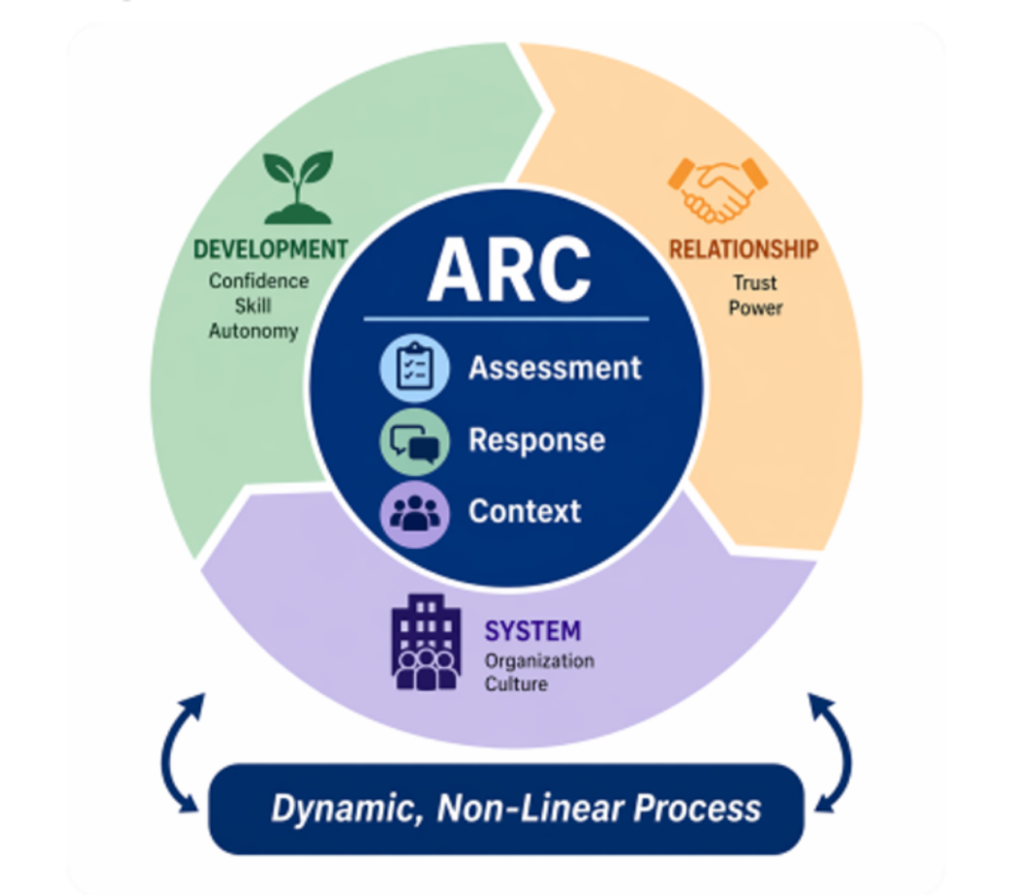
Build confidence using the ARC Integrative Supervision Model to make intentional supervisory decisions across a wide variety of clinical situations. This Core ARC training equips new and experienced supervisors with the practical decision-making framework for every course in the ARC Supervision Series.
Description
This Core ARC training is designed for clinical supervisors who want to develop a practical framework for making intentional supervisory decisions. Whether you are new to the ARC Integrative Supervision Model or seeking to strengthen your supervisory practice, this course provides the core framework for applying Assessment, Response, and Context across a wide variety of supervision situations.
Participants will engage in applied learning through case discussion, supervision activities, and guided reflection, with a focus on assessing supervisee needs, selecting appropriate supervisory responses, and integrating relational, cultural, and contextual factors into supervision practice. Emphasis is placed on building effective supervisory relationships and supporting supervisee growth through intentional and responsive supervision strategies.
The training includes review of supervisor roles and responsibilities, ethical and legal considerations, with a focus on applying these concepts in real-world supervision scenarios. Participants will utilize a structured set of ARC-based supervision tools, including activities, documentation strategies, and decision-making guides that can be applied across clinical settings.
Attention is given to common supervision challenges, the use of clear and effective feedback, and the integration of contextual factors that influence supervision. Participants will leave with practical strategies and the ability to apply a structured, flexible approach to supervision with increased clarity, confidence, and intentionality.
Learning Objectives
1. Apply the ARC (Assessment, Response, Context) model to assess supervisee needs and guide supervision decision-making
2. Match supervision activities and interventions to supervisee developmental level and presenting concerns
3. Analyze how relational and contextual factors (culture, values, evaluation) influence supervision interactions
4. Apply supervision strategies that support effective feedback, supervisee development, and professional growth within the supervisory relationship
5. Apply the ARC model to supervision scenarios to develop intentional and responsive supervision approaches
6. Analyze common challenges in supervision and apply structured decision-making strategies to address them

Dr. Rhonda Johnson
LPC-S, LMFT-S, REGISTERED PLAY THERAPIST™ SUPERVISOR, Approved clinical supervisor, TBRI PRACTITIONER, EMDR CONSULTANT, SOMATIC EXPERIENCING™ PRACTITIONER
Dr. Rhonda Johnson is the founder and owner of the Center for Counseling and Family Relationships (CCFAM), a large and thriving group practice established in 2007 that specializes in family systems and trauma-informed care. She is also the founder of CCFAM Training, launched in 2011, which provides continuing education designed to support therapists across the lifespan of their careers. In 2021, she founded Play Therapy Training Resources, offering specialized continuing education to support play therapists at every stage of their professional journey.
Approved Continuing Education Provider
CCFAM Training has been approved by NBCC as an Approved Continuing Education Provider, ACEP No. 7105. Programs that do not qualify for NBCC credit are clearly identified. CCFAM Training is solely responsible for all aspects of the programs.
Cancellation and Refund Policy
This training is non-refundable, unless cancelled by training provider. Event will be cancelled if fewer than 6 participants.