

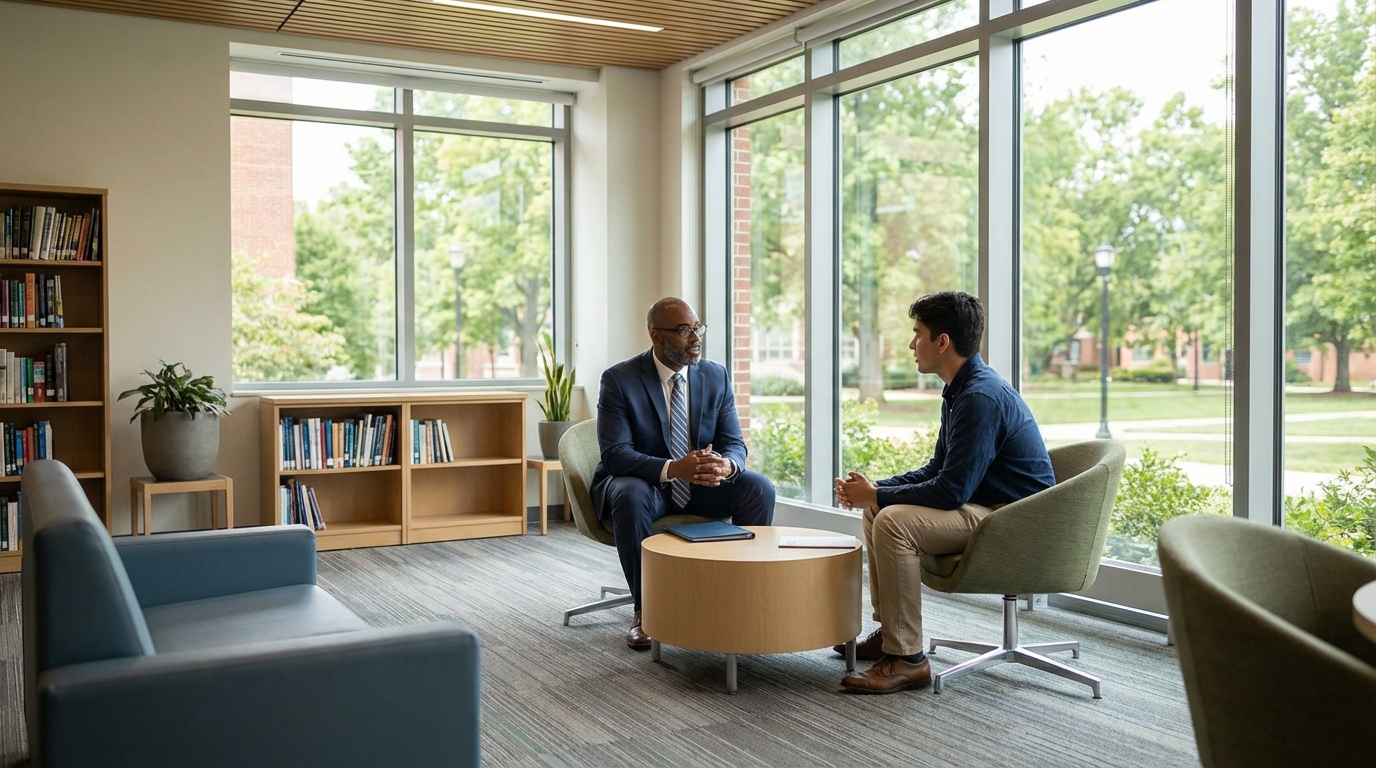
25 Feb College Counseling Jobs and Careers in Higher Education Support
What Is the Role of a College Counselor?
What is the role of a college counselor? College counselors play an instrumental part in guiding students throughout their higher education journey. Whether helping them select courses, explore career paths, or cope with personal challenges, these professionals provide ongoing support and resources. For those looking to grow into leadership roles, Clincial supervisor training on-demand can equip experienced counselors with the skills needed to supervise and mentor teams within educational settings.
The field of college counseling jobs is poised as a crucial career avenue for mental health professionals dedicated to supporting students in higher education. Understanding the specialized roles and pathways within colleges, universities, and community colleges provides an actionable roadmap for those aiming to make a meaningful impact on student wellness and academic success. This comprehensive guide explores the diverse career landscape, licensing intricacies, and emerging trends shaping counseling positions in academia.
Overview of College Counseling Jobs in Higher Education
College counseling jobs encompass a range of mental health roles specifically designed to support student populations navigating academic and personal challenges. Within higher education, counselors provide psychological services, crisis intervention, wellness promotion, and referrals, all tailored to unique campus environments. This specialized branch of counseling is distinct from general counseling careers due to its focus on student developmental stages and institutional academic structures.
These roles form an essential subset of broader career opportunities for counseling degree holders within mental health professions.
Defining College Counseling Jobs: Roles & Responsibilities
At the core, college counseling jobs involve providing therapeutic support to students dealing with issues such as anxiety, depression, academic stress, and social adjustment. These roles may integrate individual therapy, group counseling, workshops, and case management targeting mental health and emotional well-being. Counselors often collaborate with faculty and student affairs to holistically address student needs.
Responsibilities typically include intake assessments, crisis management, referral to community resources, and developing prevention programs. Unlike broader mental health roles, college counselors must adapt approaches sensitive to the collegiate atmosphere and its dynamic social environment.
Differences Between College Counselor Jobs and General Counseling Roles
College counselor jobs differ notably from general counseling careers in their specialized population focus and institutional context. Counselors in higher education address student-specific mental health challenges while aligning with academic calendars, campus policies, and culturally diverse student bodies. Whereas community mental health counselors may serve a broader demographic, college counselors require expertise in educational psychology and awareness of campus culture.
Moreover, counseling center jobs often include additional responsibilities such as outreach, educational programming, and crisis response services integral to the university setting.
Typical Employers: Universities, Community Colleges, and Counseling Centers
The primary employers for college counseling jobs are four-year universities, community colleges, and dedicated university counseling centers. Each setting offers distinct job scopes:
- Universities: Generally larger, with comprehensive counseling centers offering multi-disciplinary teams including therapists, psychologists, and psychiatrists.
- Community Colleges: Require counselors adept at dealing with a broader range of non-traditional and diverse student populations, often with resource constraints.
- Counseling Centers: Specialized units focused exclusively on mental health provision, sometimes contracted externally or embedded within larger campus health services.
This diversity in employers shapes the nature of available counseling center jobs, affecting workload, specialization, and advancement options.
The Importance of College Counseling for Student Mental Health
With increasing recognition of mental health challenges among students, college counseling roles have become indispensable within higher education support services. According to the Center for Collegiate Mental Health 2023 report, over 60% of students seeking counseling services at universities presented with anxiety or depression symptoms. These trends underscore the vital role college counselors play not merely in treatment but also in fostering emotional wellness and academic persistence.
Higher education counseling jobs represent a frontline defense for student success, blending clinical expertise with educational advocacy—a combination unique to this sector.
Transitioning to a more detailed exploration, understanding the types of college counseling jobs by institutional setting reveals how roles adapt to campus needs.
Types of College Counseling Jobs: Institutional Settings and Roles
University Counseling Center Jobs vs. Community College Counselor Jobs: Key Differences
| Aspect | University Counseling Center Jobs | Community College Counselor Jobs |
|---|---|---|
| Population Served | Primarily traditional-aged students, graduate students | More diverse, including part-time and adult learners |
| Scope of Services | Broad clinical services, group therapy, crisis intervention | Focus on academic advising, basic mental health support |
| Resources | Often well-funded, multidisciplinary teams | Limited resources, smaller teams |
| Licensure Expectations | LPC or psychologist license usually required | Some non-licensed roles available |
The comparison highlights that career counselor roles in higher education and clinical counseling jobs in campus settings often have different requirements and focus areas according to institutional needs.
University Therapist Jobs and Clinical Counseling Roles in Academia
University therapist jobs represent clinical roles in higher education that emphasize evidence-based psychotherapy, diagnosis, and treatment planning within university settings. These positions include Licensed Professional Counselors (LPCs), psychologists, or clinical social workers who focus on mental health disorders affecting student populations. University therapists engage in individual and group therapy tailored to college students’ developmental and psychosocial challenges.
Exploring therapy careers in college counseling settings provides further insight into the nuances of clinical mental health roles on campuses.
Student Counselor Jobs Focused on Academic vs. Emotional Support
Some student counselor jobs prioritize academic counseling—helping students navigate course selection, career planning, and academic skills. Others lean toward emotional support, focusing on mental health issues like anxiety, trauma, and stress management. These functions occasionally overlap but require distinct skill sets and training paths.
Emerging Roles: Teletherapy and Crisis Counseling for College Students
Telecounseling in higher education has surged post-pandemic, creating new counseling center jobs centered on virtual therapy delivery. Crisis counseling roles have also expanded, reflecting rising acute mental health events on campuses. Positions now often necessitate proficiency in digital platforms and rapid response interventions, illustrating the evolving landscape of college counseling jobs.
These diverse roles signal growing complexity and specialization within college counseling careers.
Next, we examine how licensing shapes these opportunities across states and institutions.
Licensing and Credentialing for College Counselors
Licensed Professional Counselor (LPC) Requirements Specific to Higher Education Settings
The LPC licensing for college counselors is a common credential emphasizing supervised clinical hours, passing the National Counselor Examination (NCE), and adherence to ethical standards. For university counseling center jobs, possessing an LPC or equivalent license is often mandatory to provide psychotherapy and clinical diagnoses.
Licensure requirements typically include:
- Master’s degree in counseling or related field
- Completion of 2,000–3,000 supervised clinical hours
- Passing relevant licensing exams (e.g., NCE)
- Adherence to continuing education for license maintenance
Understanding counseling certification and licensure requirements is vital for college counselors seeking state licensure and professional recognition.
State-by-State Licensure Variations Affecting University Counseling Careers
Each U.S. state administers distinct regulations affecting counseling licensure portability. These differences impact career mobility between community college counselor jobs and university roles in various jurisdictions. For example, some states may require additional jurisprudence exams or mandate in-state supervision hours. This affects counselors seeking to transition between institutions or relocate.
Understanding these variations is critical for long-term career planning in higher education counseling.
Additional Certifications and Training for College Counseling Center Jobs
Counselors often pursue certifications in crisis intervention, trauma-informed care, or LGBTQ+ competency to enhance their qualifications for specialized campus needs. Many institutions value additional credentials such as Certified Clinical Mental Health Counselor (CCMHC) or certifications through the National Board for Certified Counselors (NBCC).
Importance of Licensure in University Therapist and Counseling Roles
Licensure is not only a legal requirement but also a professional benchmark establishing trustworthiness and clinical competency. In addition to enhancing job prospects for university therapist jobs and college counseling center jobs, licensure supports ethical practice and eligibility for reimbursement under insurance frameworks in some cases.
For guidance on advanced credentialing, including pursuing an approved clinical supervisor (ACS) license, consult specialized resources tailored for supervisors within higher education settings.
Having reviewed credentialing nuances, we now consider career progression and professional growth trajectories available to college counselors.
Career Pathways and Professional Development for College Counselors
Entry-Level College Counseling Jobs and Advancement Opportunities
- Entry-Level Roles: Typically include staff counselor or therapist positions providing direct student services.
- Mid-Level Roles: Positions with supervisory duties or specialization such as crisis counseling or substance abuse counseling.
- Senior-Level & Leadership Roles: Roles such as Director of Counseling Services or Clinical Supervisor, managing teams and program development.
Progression usually demands demonstrated clinical proficiency, leadership ability, and advanced education or certifications.
Specializations: Substance Abuse Counseling, Career Counseling, Crisis Management
One common specialization for college counselors is substance abuse counseling specialization, which addresses addiction issues prevalent among college populations and requires additional certifications.
Another specialization is career counseling, which focuses on academic and vocational planning distinct from emotional therapeutic roles.
- Crisis management professionals specialize in acute intervention and suicide prevention efforts within campuses.
Continuing Education and Professional Development Specific to Higher Education Counselors
- Participation in workshops, webinars, and conferences offered by associations like the Association for University and College Counseling Center Directors (AUCCCD).
- Pursuit of certifications in trauma-informed care, cultural competency, and teletherapy.
- Engagement in counseling supervision for licensure and career growth and mentoring for skill refinement.
Leadership Roles: From Counselor to Director of University Counseling Centers
Career advancement may culminate in leadership roles involving program management, policy development, and strategic planning for counseling services. These positions often require additional qualifications including administrative experience and advanced degrees.
Pursuing clinical supervision credentials, such as the ACS licensure, supports transitions into supervisory leadership.
With career pathways mapped, understanding the current employment landscape is vital for job-seeking counselors.
Current Counseling Center Job Market and Employment Trends in Higher Education
Job Market Statistics for College Counseling Jobs (Growth, Demand, Salary Trends)
According to the U.S. Bureau of Labor Statistics (2023), employment of mental health counselors, including those in higher education, is projected to grow 23% from 2022 to 2032, much faster than average for all occupations. This growth is partially driven by heightened student mental health awareness and demand for services in colleges.
Salary ranges for college counselors typically span from $48,000 to $75,000 annually, varying by institution size, geographic location, and licensure level. University counseling centers in urban areas and four-year institutions often offer higher compensation compared to community colleges.
The employment outlook for college counseling jobs parallels trends in the mental health counselor job market and outlook, reflecting increased demand for campus mental health support.
Impact of Student Mental Health Challenges on Job Creation
The surge in diagnoses such as generalized anxiety disorder (GAD) and major depressive disorder (MDD) among students has increased pressure on counseling centers to expand staffing. The Center for Collegiate Mental Health (CCMH) 2024 report indicates a 30% increase in counseling center visits year-over-year nationally.
This trend fuels new job openings and specialized roles in student counselor jobs and crisis intervention.
Differences in Job Availability: Community Colleges vs. Four-Year Universities
While larger universities tend to have more counseling vacancies due to greater student populations, community colleges also report increasing demand for counselors adept in diverse, often non-traditional student needs. However, funding disparities result in fewer full-time positions or lower salaries in community colleges.
Seasonal Trends and Vacancy Peaks in University Counseling Hiring
Hiring in higher education counseling often peaks ahead of academic semesters—August/September and January/February—when campuses prepare for incoming students. Awareness of these cycles aids strategic job search timing.
The evolving market makes it imperative for candidates to deploy effective job search strategies.
Job Search Strategies and Resources for College Counseling Careers
Best Job Boards and Websites for University Counseling Center Jobs
- HigherEdJobs (higheredjobs.com) specializes in academic and support staff positions.
- PsychologyJobs and National Board for Certified Counselors (NBCC) job portals.
- University-specific career pages and professional counseling association listings.
Networking and Professional Associations (e.g., ACCTA, APA, etc.)
Joining groups such as the Association for Counselor Training in College and Universities (ACCTA) and APA Divisions focused on counseling psychology enables access to job leads, mentorship, and continuing education. Participating in conferences nurtures connections with hiring managers.
Resume and Cover Letter Tips Tailored to College Counseling Positions
- Highlight relevant licensure and certifications upfront.
- Emphasize experience with student mental health issues and academic environment familiarity.
- Include metrics or examples of successful interventions or program development.
Preparing for Interviews and Demonstrating Competency in Student Mental Health
- Be ready to discuss crisis management experiences and cultural competency.
- Prepare to articulate knowledge of campus mental health challenges and counseling center dynamics.
- Showcase adaptability to teletherapy and group counseling modalities.
For those exploring less traditional routes, consider opportunities in non-licensed counseling jobs in higher education. These roles exist mainly in community colleges and support staff positions.
Awareness of the unique environment college counselors operate in is crucial for lasting success.
Unique Challenges and Demands in College Student Mental Health Support
Common Mental Health Issues Among College Students (Anxiety, Depression, etc.)
College students face a range of mental health disorders, with anxiety and depression the most prevalent. According to the National Institute of Mental Health (NIMH) 2023 data, 40% of college students reported symptoms consistent with moderate or severe anxiety. These conditions often intertwine with academic pressures, social isolation, and identity development challenges.
College counselors may often refer students to specialized professionals, including those trained in abnormal psychology career opportunities for coordination of care.
Crisis Intervention and Suicide Prevention in University Counseling Centers
Counselors in colleges are frontline responders to crises, including suicidal ideation and acute psychosis. Effective intervention requires specialized training in suicide risk assessment and collaborative safety planning. The Substance Abuse and Mental Health Services Administration (SAMHSA) emphasizes a multidisciplinary approach within campuses to manage such emergencies.
Deep knowledge of substance abuse also aids counselors in crisis management, linked closely to addiction counselor roles and substance abuse duties.
Balancing Academic Pressures and Emotional Support as a College Counselor
College counselors uniquely balance fostering emotional resilience while aligning students with institutional academic expectations. This dual focus demands skillful boundary-setting, motivational strategies, and coordination with faculty and student affairs.
Cultural Competency and Inclusivity in Student Counseling
Diverse student bodies necessitate culturally competent counseling approaches. Counselors must integrate awareness of ethnicity, gender identity, socioeconomic factors, and international student experiences. Employing inclusive counseling styles and approaches is critical to effective interventions learn more.
College counselors play a vital role in fostering an equitable and supportive campus climate.
Professional development opportunities further enhance counselors’ ability to meet these challenges.
Professional Development and Continuing Education Opportunities Specific to College Counselors
Workshops, Conferences, and Webinars for College Counseling Professionals
- Annual gatherings such as AUCCCD and ACCTA conferences provide topical workshops on student mental health trends and skills.
- Webinars on teletherapy implementation and trauma-informed care address current higher education needs.
Specialized Certifications: Trauma-Informed Care, LGBTQ+ Counseling, Substance Abuse
- Certifications in trauma-informed practice enhance the ability to support students with complex backgrounds.
- LGBTQ+ training cultivates affirming approaches for diverse gender and sexuality identities.
- Substance abuse counseling specialization complements broader mental health services (see related specialization).
Online vs. In-Person Continuing Education for Busy Counselors
- Online CE: Provides flexible access but may lack hands-on practice opportunities.
- In-Person CE: Fosters networking and practical skill development but requires travel commitments.
Continuing education units (CEUs) for counselors are routinely required to maintain licensure and ensure ongoing professional growth.
Building a Portfolio: Supervision, Research, and Publishing in Higher Education Counseling
Developing a professional portfolio through clinical supervision, engagement in research projects, and publishing articles in counseling journals consolidates career advancement. Pursuing clinical supervision opportunities and ACS licensure further evidences commitment to excellence.
Investing in ongoing education ensures college counselors remain effective and competitive.
Conclusion
The landscape of college counseling jobs is rich with opportunity and complexity, blending direct clinical practice with academic and community collaboration. Navigating this field necessitates understanding the nuances of institutional roles, licensure, evolving student mental health needs, and strategic career development. For mental health professionals eager to advance within higher education support, this guide maps the essential knowledge and resources to achieve success.
Begin your college counseling career journey with critical awareness of institutional differences, licensure requirements, and market trends outlined here. Engage actively in professional development and utilize specialized job search tactics to secure your position in this vital, rewarding domain of mental health care.
Frequently Asked Questions
What qualifications are essential to begin a career in college counseling jobs?
Starting a career in college counseling typically requires a master’s degree in counseling or a related field, supervised clinical hours, and state licensure such as the LPC. Additional certifications can enhance job prospects and specialized expertise within higher education settings.
How do community college counselor jobs differ from university counselor jobs?
Community college counselors often serve a more diverse, non-traditional student body with fewer resources and may focus more on academic advising alongside mental health support. University counselor jobs usually require advanced licensure and provide broader clinical services within multidisciplinary teams.
Why is licensure important for university therapist jobs?
Licensure ensures that university therapists meet professional and legal standards to provide clinical diagnosis and treatment. It establishes credibility, supports ethical practice, and may be necessary for insurance reimbursement in higher education mental health services.
When is the best time to apply for college counseling jobs in higher education?
Hiring typically peaks before academic semesters start, especially in August/September and January/February. Applying during these periods increases chances of securing positions as campuses prepare for new and returning students.
Can non-licensed professionals find counseling center jobs in higher education?
Yes, some community colleges and support roles offer counseling center jobs that do not require full licensure, focusing on academic advising or basic mental health support. These positions often complement licensed counselors within the institution.
Which professional development opportunities benefit college counselors the most?
Workshops, conferences, and certifications in trauma-informed care, crisis intervention, and cultural competency are highly valuable. Engaging in clinical supervision and joining professional associations also supports continuous skill development tailored to higher education.
What are the key challenges faced by college counselors in supporting student mental health?
College counselors navigate rising anxiety and depression rates, crisis intervention demands, and balancing academic pressures with emotional support. They must also provide culturally competent services for diverse student populations in dynamic campus environments.
How does teletherapy impact counseling center jobs at universities?
Teletherapy has expanded counseling access by enabling virtual mental health services, requiring counselors to be skilled in digital platforms and remote crisis management. This modality responds to increasing demand and changing student needs in higher education.